
Summer reading does not always have to be light. Sometimes a book is allowed to be a little uncomfortable, ask difficult questions, and make sure you do not simply move on as if nothing happened after turning the last page.
That is why this year’s reading recommendations focus mainly on artificial intelligence, superintelligence, and the question of how well we actually understand what we are currently building. As a small counterweight, there is also a classic Ken Follett novel at the end, so that your summer is not completely overshadowed by existential AI risks.
About ten years ago, there was already a small wave of excitement around artificial intelligence. Back then, people discussed whether “the robots” might eventually take over, how AI could change our working lives, and what all of this might mean for society.
At the time, I introduced a few books on this topic in a blog post. Looking back today, it is fascinating to see how much of it sounded like science fiction or long-term speculation back then, and how much of it now suddenly feels much closer.
The trigger for this new reading recommendation post was the 2025 book If Anyone Builds It, Everyone Dies by Eliezer Yudkowsky and Nate Soares. I read it, and for that reason I also picked up two older books again: Life 3.0 by Max Tegmark from 2017 and Superintelligence by Nick Bostrom from 2014.
The question was: How have these books aged? Do they feel outdated, surprisingly relevant, or perhaps even more relevant today than when they were first published?
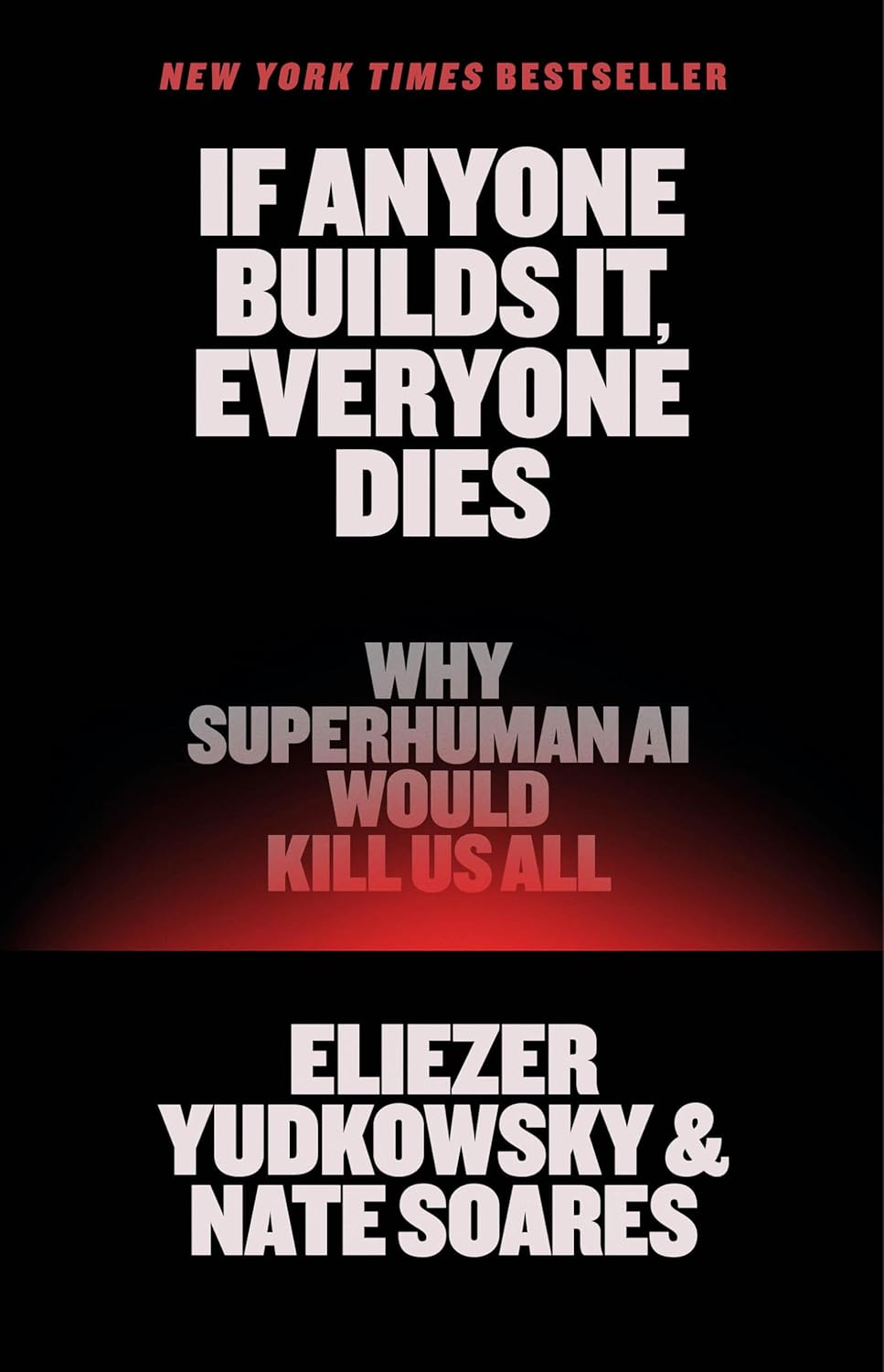
If Anyone Builds It, Everyone Dies
by Eliezer Yudkowsky & Nate Soares
The newest and probably most drastic book on this small reading list comes from two authors who are deeply rooted in the AI field. Yudkowsky and Soares have been working on AI safety for many years, and their conclusion is anything but reassuring.
At the center of the book is the so-called AI alignment problem: even today, we only have a limited understanding of how modern AI systems work internally. Even less can we reliably ensure that their goals will remain aligned with ours over time. This is exactly where the authors see the real danger.
Their thesis is radical: if an AI system becomes increasingly powerful, potentially reaching superhuman intelligence, and its goals are not fully aligned with human interests, then the result is not an unpleasant software bug. It is the end of us.
As a consequence, the authors argue that the development of increasingly powerful AI systems should be slowed down until the alignment problem is truly understood and solved.
For me, the book was especially interesting because it brings the old superintelligence debates from the 2010s into the present. Back then, much of it still felt speculative. Today, after ChatGPT, Claude, Gemini, and others, the same discussion feels much less abstract.
My recommendation: read it, but maybe not right before going to sleep. 😉
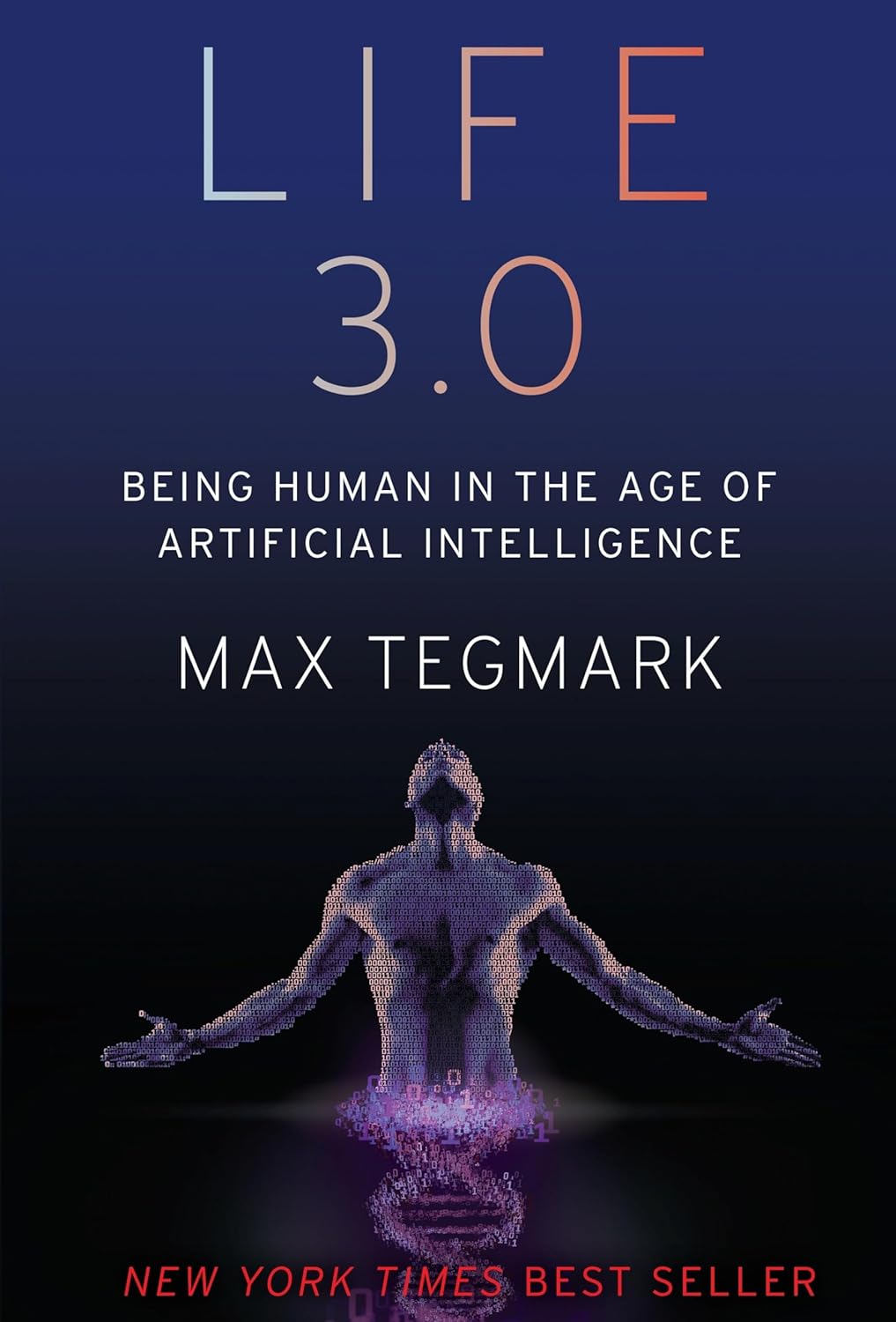
Life 3.0
by Max Tegmark
Max Tegmark is a physicist, professor at MIT, and co-founder of the Future of Life Institute. In Life 3.0, he describes several very different scenarios for how superhuman AI could affect our lives.
The title refers to the idea that life develops through different stages. Simple life can shape neither its “hardware” nor its “software.” Humans, however, can at least learn, develop culture, and change their behavior. “Life 3.0” would be life that can design both: its own software and its own technical foundation.
The AI alignment problem also plays a central role in Tegmark’s book: how can we make sure that very powerful AI systems pursue goals that are compatible with human values? Ten years ago, however, Tegmark framed this less as an immediate warning of catastrophe and more as a societal design challenge. We should start thinking early enough about what kind of future we actually want.
At the time, much of the book still felt like a thought experiment. Today, parts of it feel remarkably current, although it is also less concrete and less urgent than the newer book by Yudkowsky and Soares, which Tegmark himself has called “the most important book of the decade.”
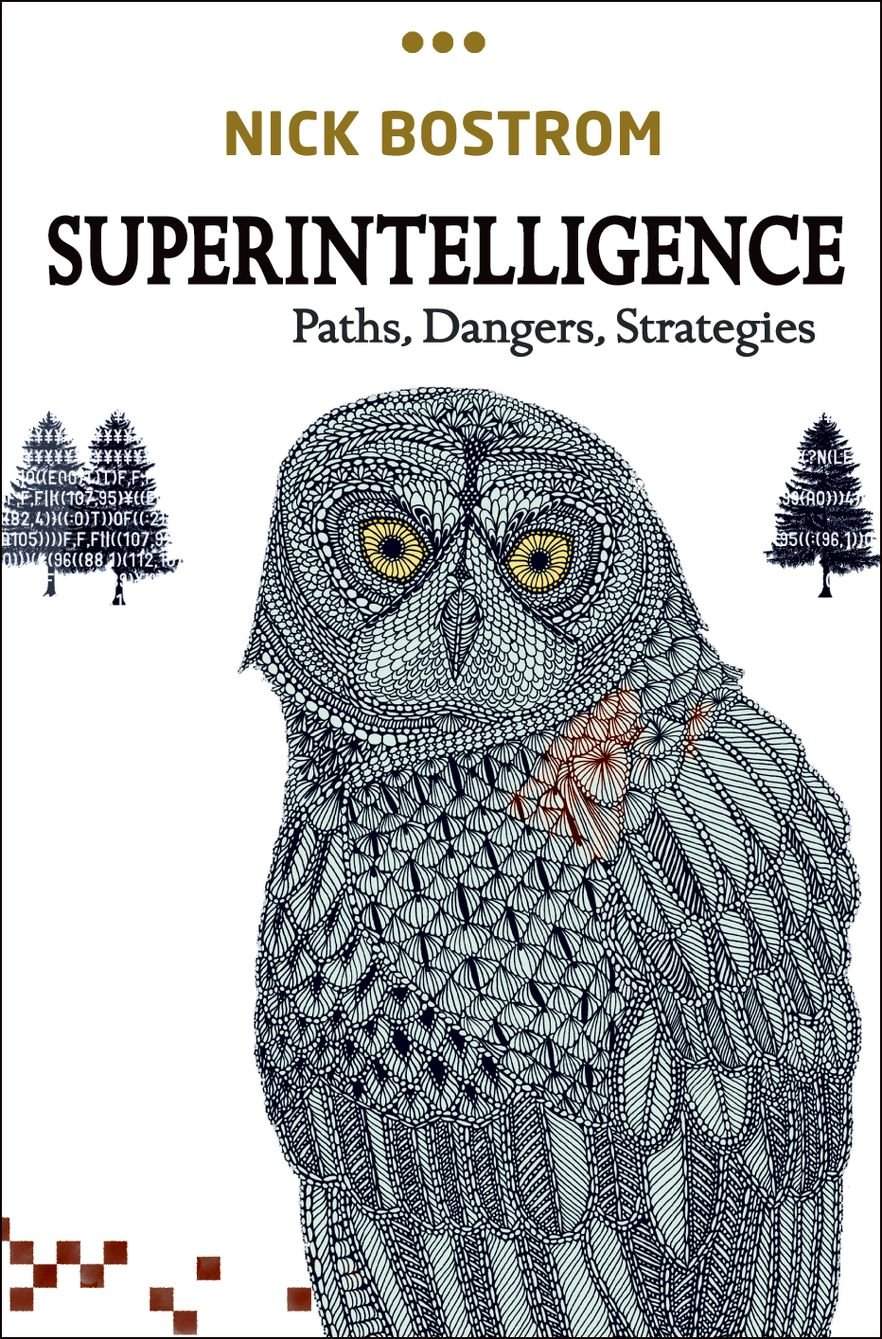
Superintelligence
by Nick Bostrom
Also worth mentioning is Nick Bostrom’s Superintelligence. Bostrom is a philosopher at the University of Oxford and has long worked on existential risks and the long-term future of humanity.
The book was published back in 2014, around twelve years before this blog post and eight years before the public launch of ChatGPT. Even so, Bostrom already describes very clearly what is now discussed under the term AI alignment problem: how can we ensure that superintelligent machines pursue goals that are compatible with human values?
In that sense, Superintelligence was foundational for many later books and debates around AI risks. Today, it sometimes reads as more technical and abstract than newer titles, but as a foundation of the modern alignment debate, it is still well worth reading.
After so much artificial superintelligence, alignment problem, and potential end of humanity, we need something at the end that can also be read on the beach, on the couch, or before going to sleep without leaving you with a smoking brain or Terminator nightmares.

Night Over Water
by Ken Follett
Night Over Water is set in a time when machines still needed two days to cross the Atlantic instead of quietly planning world domination on the side. Ken Follett tells a classic, gripping story about the passengers of a flying boat travelling from Europe to America. No AI, no apocalypse, no alignment problem. Just good entertainment.
Summer time: switch off, read, and maybe still learn something new
In the end, not every summer read has to smell like sunscreen, deck chairs, and light entertainment. Sometimes an uncomfortable idea can be the most interesting travel companion.
And if, after AI risks, superintelligence, and flying boats over the Atlantic, you are in the mood for something completely different, PEM Automic also has plenty of material for continued learning this summer. With the PEM Explorer, you can explore selected content for free and without obligation, discover current tutorials, and get a feel for our learning paths and labs.
PEM Automic offers, among other things:
- Courses, tutorials, and practical tools for different roles
- Hands-on PEM Labs where you can try out what you have learned directly
- Webinars, recordings, and regularly updated content
- Structured learning paths for Operators, Designers, and Admins
If this has made you curious for more, feel free to take a look at our pricing overview. It will help you quickly find out which package best fits your needs, and maybe even turn your summer break into an upgrade for your Automic skills.
Whether you spend this summer deep in books, learning something new, or deliberately doing absolutely nothing: I wish you a relaxing time, great stories, and a few peaceful hours away from everyday life.